
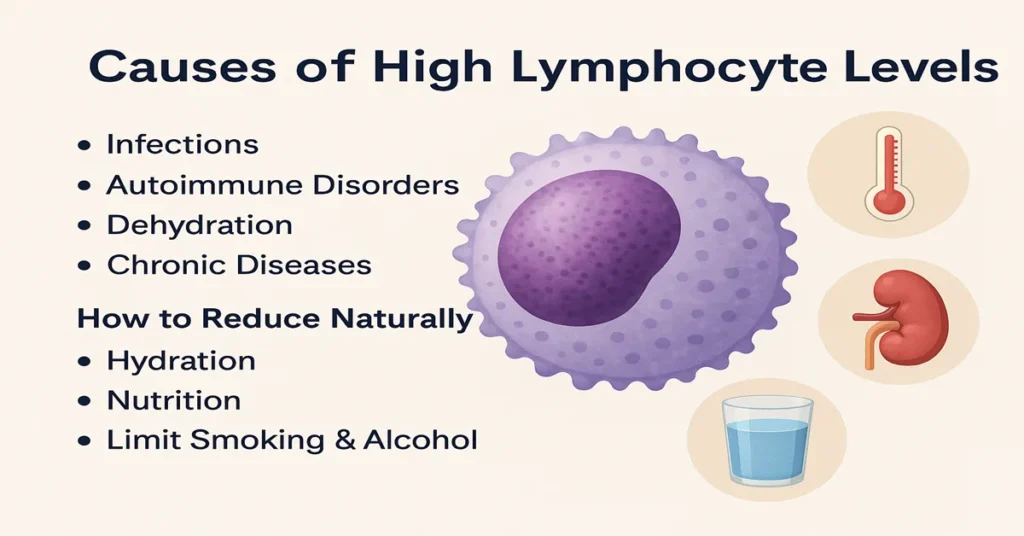
Causes of High Lymphocyte Levels and How to Reduce Them Naturally
High lymphocyte levels, medically called lymphocytosis, are a common finding in routine blood reports. In day-to-day OPD and lab practice, this result usually reflects an active immune response rather than a disease by itself. Lymphocytes are white blood cells that protect the body from infections and abnormal cells, so when their numbers rise, it often means the immune system is reacting to something ongoing.
In most cases, high lymphocytes are temporary and settle once the underlying trigger improves. However, when levels remain high over time, doctors usually pause and look for chronic infection, inflammation, or other contributing factors. This article explains the causes, symptoms, and practical ways doctors think about naturally supporting normalization—without alarm or over-treatment.
What Are High Lymphocyte Levels?
Lymphocyte levels are measured as part of a Complete Blood Count (CBC). In adults, most laboratories consider a lymphocyte count of about 1,000 to 4,800 cells per microliter as the usual range. Values above this are labeled as high, depending on the lab reference.
A high count does not automatically mean something serious. Clinically, it often signals that the immune system is actively responding to infection, stress, inflammation, or recovery from illness.
Medical Causes of High Lymphocyte Levels
Infections
Infections are the most common cause of lymphocytosis. Viral infections in particular stimulate lymphocyte production. Conditions such as flu, COVID-19, hepatitis, measles, viral fever, and even recovery phases of dengue commonly show raised lymphocytes. Certain bacterial infections like tuberculosis or whooping cough can also cause elevations. In routine practice, lymphocyte counts usually normalize once the infection clears.
Inflammatory and autoimmune disorders
Autoimmune conditions keep the immune system continuously active. Disorders such as rheumatoid arthritis, thyroid autoimmune diseases, inflammatory bowel disease, or celiac disease can lead to persistently high lymphocyte levels. In these cases, the count reflects ongoing immune stimulation rather than acute infection.
Medication effects
Some medications can influence lymphocyte levels. Anti-seizure medicines, certain antibiotics, and drugs affecting inflammation may cause mild increases. Withdrawal from long-term steroid use can also temporarily raise lymphocyte counts. Doctors usually interpret these values alongside medication history.
Chronic viral infections
Viruses that remain in the body for long periods keep the immune system alert. Hepatitis B, hepatitis C, Epstein–Barr virus, cytomegalovirus, and early HIV infection are examples where lymphocyte levels may stay elevated for months or years. In such cases, trends over time matter more than a single report.
Rare but serious causes
Uncommonly, very high or steadily rising lymphocyte counts may be linked to bone marrow disorders, lymphoma, or certain leukemias. In routine lab work, these cases usually show additional abnormal findings and need further evaluation.
Role of Dehydration in High Lymphocyte Levels
Dehydration does not truly increase lymphocytes. Instead, it concentrates the blood, making white blood cells appear higher than they actually are. Not drinking enough water, fever, vomiting, diarrhea, excessive sweating, high salt intake, or excess caffeine or alcohol can contribute. Once hydration improves, counts often return to normal.
Chronic Diseases That Raise Lymphocytes
Long-standing medical conditions can keep the immune system mildly activated. Chronic lung disease, liver disorders, kidney problems, thyroid conditions, and recurrent infections are commonly associated with mildly elevated lymphocyte counts. In these situations, lymphocytosis reflects ongoing immune stress rather than an emergency.
Smoking and Alcohol Effects on Lymphocyte Levels
Smoking causes continuous irritation and inflammation in the lungs and airways. In lab practice, regular smokers often show raised lymphocytes and overall white blood cell counts. Alcohol, especially in excess, stresses the liver and disrupts immune balance, sometimes leading to irregular lymphocyte responses. Reducing or stopping these habits often leads to gradual normalization.
Symptoms of High Lymphocyte Levels
High lymphocyte levels themselves usually do not cause symptoms. Symptoms typically come from the underlying cause. Common complaints include fever, fatigue, frequent infections, swollen lymph nodes, sore throat, cough, body aches, or general weakness. Persistent night sweats or unexplained weight loss, though less common, warrant medical attention.
How to Reduce High Lymphocyte Levels Naturally
When high lymphocytes are linked to temporary or lifestyle-related factors, simple supportive measures often help the body regain balance.
Adequate hydration helps correct concentration-related increases. Managing stress is important, as chronic stress keeps the immune system overstimulated. Practices such as deep breathing, meditation, yoga, light exercise, and regular outdoor activity are commonly advised.
A balanced, anti-inflammatory diet supports immune regulation. Fresh fruits and vegetables, omega-3-rich foods, vitamin C sources, whole grains, leafy greens, and natural anti-inflammatory ingredients like ginger, turmeric, and garlic are often recommended in routine advice. Reducing excess sugar, salt, and processed foods helps limit inflammation.
Quitting smoking and limiting alcohol intake reduce ongoing immune irritation. Good sleep—around 7 to 9 hours—allows the immune system to reset and stabilize. Treating any underlying infection or chronic illness usually brings lymphocyte counts back toward normal.
Doctors often advise avoiding unnecessary “immune booster” supplements, as overstimulation can worsen lymphocytosis. Supplements should be used only when medically indicated.
When High Lymphocyte Levels Become Concerning
Doctors usually investigate further when lymphocyte levels remain high for several weeks, rise steadily on repeated tests, or are accompanied by persistent fever, weight loss, night sweats, or long-standing lymph node swelling. In such cases, additional tests help identify the cause.
Test Preparation for Lymphocyte Test
No fasting is usually required for a CBC. Normal water intake is advised. Avoid alcohol and smoking before the test, and inform the doctor about ongoing medications. Recent fever or illness should be mentioned, as it can affect results.
When to Consult a Doctor
Medical advice is important if lymphocyte counts stay high on repeated tests, if fever or weakness persists, if lymph nodes remain swollen, or if there is unexplained weight loss or chronic cough. Early evaluation helps clarify whether the rise is temporary or needs closer monitoring.
Important Word Explanations
| Term | Simple Explanation |
|---|---|
| Lymphocytes | White blood cells that protect the body from infections and abnormal cells. |
| Lymphocytosis | A condition where lymphocyte levels are higher than normal. |
| Autoimmune disease | A condition in which the immune system attacks the body’s own tissues. |
| Inflammation | The body’s response to infection or irritation, causing swelling or discomfort. |
| Chronic | A condition that lasts for a long time or keeps recurring. |
People Also Ask
Is a high lymphocyte count always serious?
No. Most cases are temporary and related to infection or stress.
Can lymphocyte levels be high during recovery from illness?
Yes. Counts often rise during recovery, especially after viral infections.
Does high lymphocytes always mean cancer?
No. Cancer-related causes are uncommon and usually show other abnormal findings.
When do doctors usually worry about high lymphocytes?
Concern increases when levels are very high, persistent, or linked with symptoms.
Is repeat testing common for high lymphocytes?
Yes. Doctors often repeat CBC tests to observe trends over time.
Can someone feel normal despite high lymphocytes?
Yes. Many people have no symptoms, especially when the increase is mild or temporary.
~END~
Cool Post.
I like how the articles are detailed but still easy to read. Even complex tests are explained calmly without fear or confusion. Very trustworthy content.