
How to Increase AST Levels Naturally at Home (When Levels Are Too Low)
Short Overview
AST (Aspartate Aminotransferase) is an enzyme present in the liver, heart, muscles, and several other tissues. It plays a role in amino acid metabolism and supports energy production inside cells. In daily practice, AST usually comes to attention when it is high, because elevated levels often point toward liver or muscle injury.
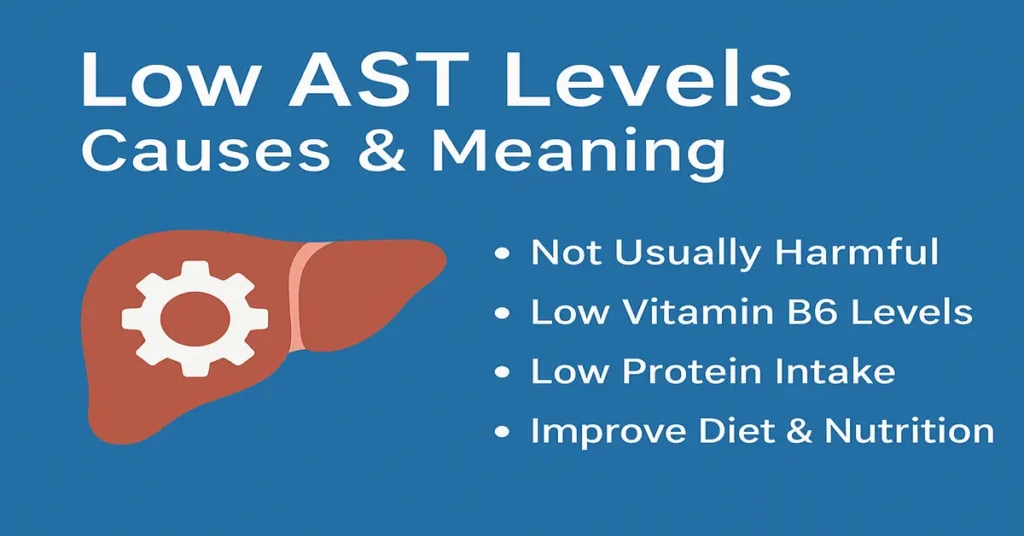
Occasionally, blood reports show AST below the reference range, which can cause confusion and unnecessary worry. Clinically, low AST is rarely dangerous. Most of the time, it reflects nutritional factors, low muscle mass, or vitamin deficiency rather than disease.
This article explains why AST can be low, what symptoms may sometimes accompany it, and how levels are commonly supported naturally through nutrition, activity, and balanced daily habits.
Causes of Low AST Levels
Low AST is usually a benign finding, but understanding the background helps put the report in perspective.
Vitamin B6 deficiency
AST requires vitamin B6 (pyridoxine) to function properly. When B6 levels are low, enzyme activity drops and AST may appear reduced on blood tests. In routine lab work, this is one of the most common explanations.
Very low protein intake
AST is a protein-based enzyme. People on restrictive diets, prolonged fasting, or poor-quality nutrition may not get enough amino acids to maintain normal enzyme levels.
Low muscle mass or muscle weakness
AST is present in muscles as well as the liver. Individuals with very low muscle mass—such as the elderly, people with long-term inactivity, or those on extreme weight-loss diets—may show slightly lower AST values.
Very healthy liver or complete alcohol avoidance
Interestingly, people with minimal liver stress and no alcohol exposure sometimes show AST values on the lower side. This is not harmful and does not indicate a problem.
Advanced kidney disease (rare)
In severe kidney failure, AST may appear low, but this situation is uncommon and usually accompanied by many other abnormal findings.
Pregnancy
Hormonal and metabolic changes during pregnancy can lead to mildly lower AST levels. This is usually temporary.
Certain medications
Some medicines can transiently reduce enzyme activity or alter metabolism, leading to a lower AST reading.
Symptoms of Low AST Levels
Low AST by itself does not usually cause symptoms. When symptoms are present, they are generally related to the underlying cause rather than the enzyme level itself.
Some people may notice:
General tiredness
Muscle weakness or low stamina
Slower recovery after physical activity
Low appetite
Frequent feeling of weakness
Occasional nerve discomfort in more severe vitamin B6 deficiency
When these occur together, doctors often look at nutrition and muscle health rather than liver disease.
How to Increase AST Naturally at Home
Because low AST is most often linked to nutrition and muscle health, the focus is on supporting normal metabolism, not aggressive correction.
Diet and Food Choices That Support AST
Foods rich in vitamin B6
Since AST activity depends on vitamin B6, improving intake often helps normalize levels.
Common sources include bananas, potatoes, chickpeas, eggs, chicken, fish such as salmon or tuna, spinach, sunflower seeds, avocado, and whole grains.
Adequate protein intake
AST is an enzyme made from protein. Ensuring enough daily protein supports enzyme production.
Eggs, milk and yogurt, paneer, fish, chicken, lentils, beans, peas, soy products, nuts, and seeds are commonly recommended.
Foods that support liver health
A well-functioning liver naturally keeps AST within range. Simple, home-style foods that reduce liver load are often advised.
These include green leafy vegetables, beetroot, carrots, apples, berries, garlic, and citrus fruits.
Magnesium-containing foods
Because muscles contain AST, nutrients that support muscle function indirectly help maintain enzyme levels.
Pumpkin seeds, nuts, oats, and whole grains are useful sources.
Lifestyle Factors That Influence AST
Regular, moderate exercise
Gentle physical activity helps maintain muscle mass. Clinically, people who move regularly often have more stable enzyme profiles.
Brisk walking, cycling, light resistance exercises, or bodyweight workouts done consistently are sufficient.
Avoiding extreme dieting
Very low-calorie or prolonged fasting diets can reduce protein intake and enzyme production. Balanced meals spaced through the day are generally better.
Adequate hydration
Good hydration supports overall cellular function, including liver and muscle metabolism.
Sleep quality
Poor sleep affects hormonal balance and metabolism. Regular sleep timing and adequate rest support normal enzyme activity.
Stress management
Chronic stress can indirectly affect metabolic processes. Simple stress-reduction practices often help overall biochemical balance.
Supplements (Safe Note)
When dietary intake is insufficient, supplements may be considered only with medical guidance.
Vitamin B6
If deficiency is confirmed, supplementation can help normalize AST. Excessive doses should be avoided, as very high intake can cause nerve symptoms.
Protein supplements
Protein powders may be useful for people who struggle to meet protein needs through food alone.
Multivitamins
A basic multivitamin can correct mild, unrecognized deficiencies that affect enzyme levels.
Supplements should never replace medical evaluation, especially in people with liver or kidney conditions.
When to See a Doctor
Low AST is usually harmless, but medical advice is sensible if:
AST remains very low on repeated tests
There is noticeable muscle weakness or cramps
Symptoms of nutritional deficiency are present
You are pregnant and symptoms persist
There is known kidney, thyroid, or chronic illness
You are taking medications that affect liver or muscle enzymes
Doctors may recommend additional tests such as vitamin B6 levels, a complete liver function panel, muscle enzymes like CK, or a nutritional assessment.
People Also Ask
Is low AST a serious problem?
Usually no. In most cases, it is a benign finding related to nutrition or muscle mass.
Can AST levels be temporarily low?
Yes. Temporary changes can occur with diet changes, pregnancy, or certain medications.
Does low AST always mean liver disease?
No. Low AST is rarely linked to liver disease and is more often nutritional.
When do doctors worry about low AST?
Concern arises only if it is persistently very low and accompanied by symptoms or other abnormal tests.
Is repeat testing common for low AST?
Yes. Repeat tests help confirm whether the finding is temporary or consistent.
Can AST return to normal naturally?
In many cases, yes. Levels often normalize once nutrition, activity, or temporary factors improve.
~END~