
Overview
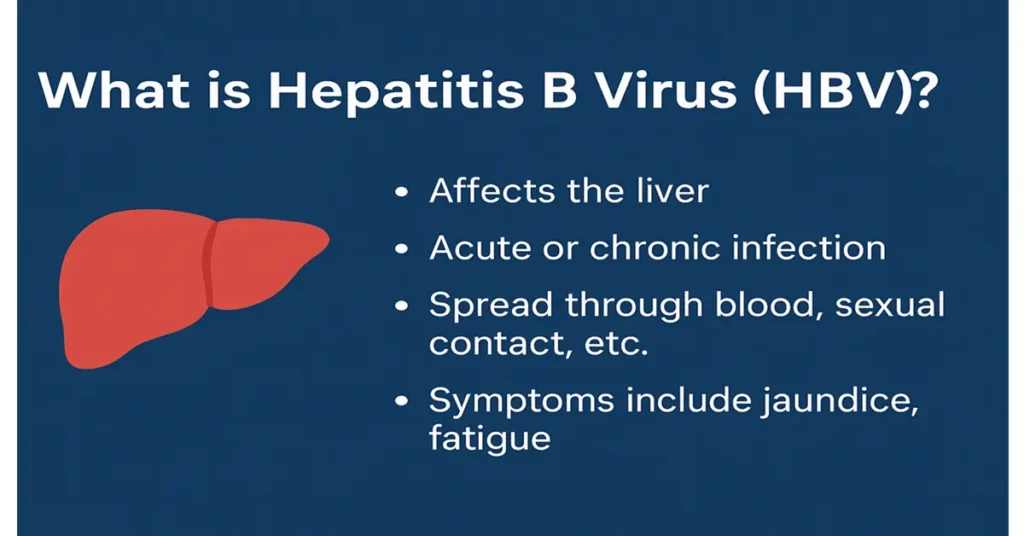
Hepatitis B Virus (HBV) is a viral infection that primarily targets the liver. It is caused by a DNA virus from the Hepadnaviridae family. Infection may be acute, resolving over a short period, or chronic, where the virus remains in the body long term. While many acute infections settle without lasting damage, chronic infection can persist silently for years and may increase the risk of liver scarring (cirrhosis), liver failure, or hepatocellular carcinoma.
HBV spreads through contact with infected blood or body fluids. Common routes include unprotected sexual contact, shared needles or sharp instruments, tattoo or piercing equipment, razors, and transmission from an infected mother to her baby at birth. Because the virus directly affects liver cells, timely testing and structured follow-up play a key role in preventing long-term complications.
How HBV Enters and Behaves in the Body
HBV is not produced by the body; it enters from an external source. After exposure, the virus travels to the liver and infects hepatocytes, the main functional liver cells. Inside these cells, HBV uses the cell’s own machinery to multiply, produce viral proteins, and assemble new viral particles.
These newly formed viruses can then infect additional liver cells, continuing the cycle. The pace of this process varies between individuals and over time, which explains why hepatitis B behaves differently from person to person.
Why Understanding HBV Is Important
Although HBV itself serves no useful role in the body, understanding how it behaves is medically important. Clear knowledge of the virus helps clinicians recognize infection early, distinguish between acute and chronic disease, and monitor changes that may signal liver injury.
It also supports appropriate use of laboratory markers, guides long-term follow-up strategies, and strengthens prevention efforts such as vaccination and screening of high-risk groups. Most importantly, it allows people with HBV to receive care before serious liver damage develops.
Causes of Low or Negative HBV Levels
Low or negative HBV test results generally indicate one of the following situations:
There is no current infection.
The individual has developed immunity after successful vaccination.
The person has recovered from a previous infection and now carries protective antibodies.
In these situations, the virus is not actively present, and the result is considered a healthy or protected state.
Symptoms of Low or Negative HBV Levels
When HBV is absent, there are no symptoms related to the virus. A negative result simply means that hepatitis B is not causing liver inflammation or injury at that time.
Causes of High or Positive HBV Levels
Positive HBV markers reflect the presence of the virus in the body and may be seen in several clinical settings.
1. Acute Hepatitis B Infection
This occurs shortly after exposure. Viral activity is usually high during this phase.
2. Chronic Hepatitis B Infection
If the virus remains detectable for more than six months, the infection is classified as chronic. This is more common in people infected at birth or early childhood.
3. Reactivation of Previous Infection
In some individuals with past exposure, the virus may become active again when immune control weakens, such as during cancer therapy, organ transplantation, HIV infection, or prolonged use of immune-suppressing medications.
Symptoms When HBV Levels Are High
Symptoms vary widely depending on the phase of infection and the individual’s immune response.
Common symptoms may include tiredness, reduced appetite, nausea, abdominal discomfort over the liver area, dark urine, pale stools, and yellowing of the skin or eyes. Fever may be present in some acute cases.
In chronic hepatitis B, many people feel entirely well for years. However, liver damage can progress silently, which is why regular monitoring remains important even in the absence of symptoms.
Reference Ranges and Interpretation
HBV status is assessed using a group of blood markers rather than a single test. Each marker provides different information.
HBsAg indicates whether infection is present.
Anti-HBs reflects immunity from vaccination or recovery.
HBeAg suggests active viral replication and higher infectivity.
Anti-HBe often indicates reduced viral activity.
HBV DNA measures viral load and reflects how actively the virus is replicating.
Anti-HBc confirms past or current exposure to the virus.
Doctors interpret these results together to understand the stage and activity of infection.
Sample Type Used for HBV Testing
HBV testing is usually performed on a blood sample, using serum or plasma.
In selected cases, additional tools such as ultrasound, FibroScan, CT imaging, or liver biopsy may be used to assess liver structure and damage.
Test Preparation
Most hepatitis B blood tests do not require fasting. It is generally advised to avoid alcohol for a short period before testing, as alcohol can affect liver-related measurements. Patients should inform their doctor about any antiviral medications.
HBV testing is routinely recommended during pregnancy, and pregnant individuals should ensure results are shared with their healthcare provider.
When to Consult a Doctor
Medical advice should be sought if symptoms such as jaundice, persistent fatigue, right-sided abdominal pain, dark urine, pale stools, or unexplained weight loss appear. Immediate evaluation is important if there has been known exposure to hepatitis B or signs of liver failure, such as confusion or abdominal swelling.
Anyone with positive HBV markers, a family history of hepatitis B, or pregnancy without prior screening should remain under regular medical follow-up. Early identification allows timely monitoring and reduces the risk of long-term liver complications.
Important Word Explanations
- HBV: Hepatitis B virus that infects the liver
- Hepatocytes: Liver cells where HBV multiplies
- Cirrhosis: Permanent scarring of liver tissue
- Hepadnaviridae: Virus family that includes HBV
- Antibodies: Immune proteins that recognize infections
- Jaundice: Yellowing of skin and eyes from liver dysfunction
- Viral Load: Amount of virus present in the blood
~END~
Related Posts
None found