
Hepatitis C Virus (HCV): Causes, Symptoms, Testing, High/Low Levels, and Complete Medical Guide
Overview
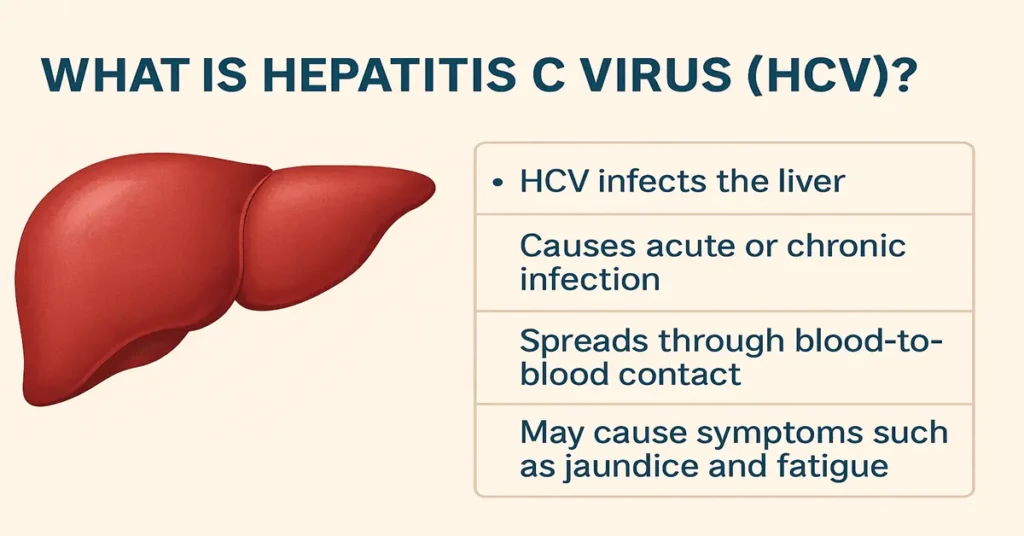
Hepatitis C Virus (HCV) is a blood-borne virus that mainly affects the liver and causes inflammation. Infection may be acute, occurring shortly after exposure, or chronic, where the virus remains in the body long term. One of the defining features of HCV is that early infection is often silent. Many people feel entirely well, which allows the virus to persist unnoticed for years.
If chronic infection is left untreated, gradual liver injury may occur over time. This can progress through stages of fibrosis and, in some individuals, lead to cirrhosis, liver failure, or hepatocellular carcinoma. Because symptoms often appear late, timely testing and follow-up are central to preventing advanced liver disease.
HCV spreads primarily through blood-to-blood contact. Common routes include sharing needles, exposure to contaminated medical or cosmetic instruments, unsafe tattooing or piercing practices, and transfusions with unscreened blood. Compared with hepatitis B, sexual and mother-to-child transmission are less common, though they can still occur.
With modern antiviral therapy, most infections can now be cured when identified early. Understanding how HCV behaves and how it is tested allows both patients and clinicians to manage the infection effectively.
How HCV Enters and Behaves in the Body
HCV is not produced within the body. Infection begins when contaminated blood enters the bloodstream. From there, the virus travels to the liver and infects hepatocytes, the cells responsible for most liver functions.
Once inside these cells, the virus follows a predictable pattern. It uses the cell’s internal machinery to copy its RNA, produces viral proteins, and assembles new viral particles. These newly formed viruses can then infect neighboring liver cells, extending the cycle.
Over time, persistent viral replication triggers inflammation. In chronic infection, this ongoing process is what gradually leads to liver scarring rather than immediate illness.
Medical Importance of HCV
HCV has no beneficial role in the human body. Its medical importance lies in early recognition and monitoring. Identifying infection helps clinicians determine whether exposure has occurred, whether the virus is still active, and whether the liver is being affected.
Clear diagnosis supports appropriate use of antiviral therapy, assessment of liver damage, and confirmation of viral clearance after treatment. It also plays a role in preventing transmission to others. Because early infection is often symptom-free, testing in people with known risk factors remains essential.
Causes of Low or Negative HCV Levels
A low or negative HCV result usually reflects a favorable situation. This may mean the person has never been infected, or that a past infection has resolved.
Some individuals naturally clear the virus without treatment. Others achieve viral clearance after completing antiviral therapy. In these situations, viral RNA is no longer detectable in the blood.
In very early infection, tests may occasionally be negative before antibodies or viral RNA become measurable. When recent exposure is suspected, repeat testing after a short interval is often advised.
Symptoms of Low / Negative HCV Levels
When HCV tests are negative, there are no symptoms attributable to the virus. Liver function is not being affected by hepatitis C, and there is no risk of transmitting the infection to others.
Causes of High or Positive HCV Levels
A positive result indicates current or previous exposure to the virus.
This may represent acute infection, occurring within the first six months after exposure, or chronic infection, where the virus persists beyond that period. Some individuals may also become re-infected after previous clearance.
In other cases, detectable viral RNA reflects incomplete viral clearance following treatment or relapse after therapy.
Symptoms When HCV Levels Are High
Many people with active HCV infection experience few or no symptoms, particularly in the early stages. When symptoms do appear, they are often mild and non-specific. These may include fatigue, reduced appetite, nausea, abdominal discomfort over the liver area, joint aches, dark urine, pale stools, or yellowing of the skin and eyes.
In chronic infection, liver damage may progress silently for many years. Symptoms often emerge only when significant scarring or liver dysfunction has developed.
Long-Term or Chronic Symptoms
Long-standing HCV infection can gradually injure the liver. Early scarring is referred to as fibrosis. With continued damage, this may progress to cirrhosis, where liver structure and function are significantly impaired.
Advanced disease may be associated with portal hypertension, liver failure, or liver cancer. These outcomes typically develop slowly, often over decades, underscoring the importance of early detection and monitoring.
Reference Ranges for HCV Testing
HCV evaluation relies on a combination of laboratory tests rather than a single measurement.
The HCV antibody test indicates whether a person has ever been exposed to the virus. A positive result does not confirm active infection.
The HCV RNA test detects viral genetic material and confirms whether the virus is currently present in the blood. This test is also used to monitor response to treatment.
HCV genotype testing identifies the viral strain, which helps guide treatment selection and duration.
Together, these tests provide a clear picture of infection status and disease activity.
Sample Type Used for HCV Testing
HCV testing is performed on a blood sample, using serum or plasma. The same sample type is used for antibody testing, viral load measurement, and genotype analysis. Liver function tests are often assessed at the same time.
Test Preparation
Most HCV tests require no special preparation. Fasting is not necessary. Avoiding alcohol for a short period before testing may help ensure accurate liver-related measurements.
Patients should inform their doctor about any antiviral medications or immune-modifying treatments. When recent exposure is suspected, repeat testing may be scheduled to confirm results.
When to Consult a Doctor
Medical evaluation is recommended if symptoms such as jaundice, persistent fatigue, dark urine, pale stools, abdominal discomfort, or unexplained weight loss occur.
Testing is also important after known blood exposure, needle injury, or unsafe injection practices. Individuals in higher-risk groups, including those with past transfusions, long-term dialysis, healthcare exposure, HIV infection, or pregnancy, benefit from regular screening.
Early identification allows timely treatment, which is highly effective and greatly reduces the risk of long-term liver damage.
Important Word Explanations
- Genotype: The specific strain of the hepatitis C virus
- HCV: Hepatitis C virus
- Hepatocytes: Liver cells where the virus replicates
- Fibrosis: Early scarring of liver tissue
- Cirrhosis: Advanced, irreversible liver scarring
- Viral Load: Amount of virus present in the blood
- Antibody Test: Detects past exposure to the virus
- RNA Test: Confirms active infection
~END~
Related Posts
None found