
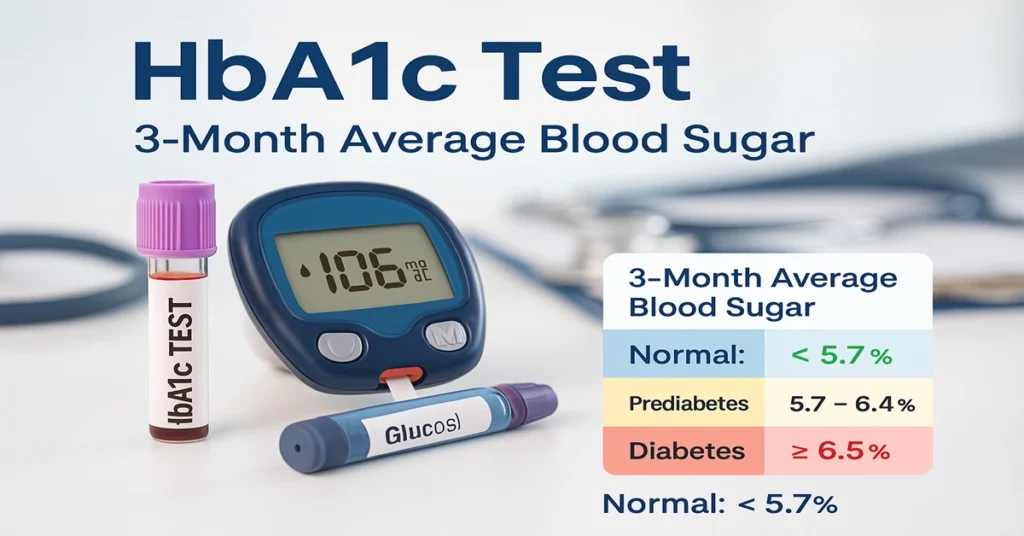
HbA1c Test: Meaning, Normal Range, Low & High HbA1c Causes, Symptoms, and Complete Medical Guide
What Is HbA1c?
HbA1c stands for Hemoglobin A1c, also called glycated hemoglobin. It is one of the most widely used blood tests for understanding long-term blood sugar control. Unlike fasting or random blood glucose tests, which reflect sugar levels at a single point in time, the HbA1c test provides an average picture of blood sugar levels over the past two to three months.
This measurement is based on a simple biological process. When glucose circulates in the blood, a portion of it naturally binds to hemoglobin, the oxygen-carrying protein inside red blood cells. This binding process, known as glycation, happens continuously. The higher the average blood glucose, the greater the proportion of hemoglobin that becomes glycated.
Because red blood cells remain in circulation for around 120 days, the HbA1c value reflects long-term glucose exposure rather than daily fluctuations. Clinically, this makes HbA1c a reliable and stable marker for diagnosing diabetes, identifying prediabetes, and monitoring overall glucose control over time.
Where Is HbA1c Formed in the Body?
HbA1c is not produced by a specific organ in the traditional sense. It forms gradually within circulating red blood cells. Hemoglobin itself is made in the bone marrow during red blood cell development. Once these cells enter the bloodstream, they are exposed to circulating glucose every day.
The Glycation Process
Glycation is a natural, ongoing process. As glucose levels rise and fall in the blood, a small portion of glucose binds irreversibly to hemoglobin. Once attached, it remains bound for the life of the red blood cell. Over weeks and months, this accumulation reflects the average glucose concentration during that period.
From a clinical perspective, this is why HbA1c is considered a long-term indicator. It smooths out short-term highs and lows and highlights overall glucose trends.
Main Functions and Importance of the HbA1c Test
The HbA1c test does not assess organ function directly. Instead, it serves as a long-term marker of glucose exposure, which is critical in metabolic assessment.
Provides a Long-Term View of Blood Sugar
HbA1c reflects average blood glucose over approximately 8–12 weeks. This allows clinicians to evaluate sustained patterns rather than relying on isolated readings.
Helps Diagnose Diabetes and Prediabetes
HbA1c is commonly used as a diagnostic tool. Certain threshold values help distinguish normal glucose regulation from prediabetes and diabetes, often confirmed with repeat testing.
Assesses Overall Glucose Control
In people already diagnosed with diabetes, HbA1c offers insight into how consistently blood sugar has been controlled over time.
Reduces the Impact of Daily Variations
Blood sugar naturally changes throughout the day due to meals, activity, stress, and sleep. HbA1c minimizes the influence of these short-term changes and focuses on longer trends.
Supports Risk Assessment
Persistently elevated HbA1c levels are associated with higher risk of long-term complications. Regular monitoring helps identify patterns that may require closer medical attention.
Causes of Low HbA1c
Low HbA1c values are uncommon and usually reflect reduced average glucose exposure or altered red blood cell lifespan rather than a primary disorder.
Situations that shorten the life of red blood cells, such as blood loss or certain blood conditions, can lower HbA1c values. Frequent low blood sugar episodes over time may also reduce the average level. In clinical practice, low HbA1c results are interpreted carefully and always in context with symptoms, glucose readings, and blood counts.
Symptoms of Low HbA1c
Low HbA1c itself does not cause symptoms. Any symptoms present usually relate to the underlying reason for reduced glucose exposure or shortened red blood cell survival.
These may include features associated with low blood sugar episodes, such as light-headedness, weakness, or difficulty concentrating. Clinically, attention is directed toward identifying the underlying cause rather than the HbA1c value alone.
Causes of High HbA1c
High HbA1c levels indicate sustained exposure to elevated blood glucose over several months. This commonly reflects long-term hyperglycemia.
Persistent elevation may be seen when glucose regulation is impaired, such as in diabetes or insulin resistance. Other medical conditions that affect red blood cells or kidney function can also influence HbA1c readings. Clinicians focus on whether the elevation is consistent, progressive, or newly detected.
Symptoms of High HbA1c
High HbA1c values reflect prolonged high blood sugar, which may or may not produce noticeable symptoms initially. When present, symptoms often develop gradually.
People may report increased thirst, frequent urination, fatigue, blurred vision, slow healing, or recurrent infections. These symptoms relate to sustained hyperglycemia rather than the HbA1c measurement itself.
HbA1c Reference Ranges
Reference ranges may vary slightly between laboratories, but commonly used values include:
- Below 5.7%: Normal (non-diabetic range)
- 5.7% – 6.4%: Prediabetes
- 6.5% or above: Diabetes (usually confirmed with repeat testing)
For individuals with diabetes, target ranges may differ based on age, pregnancy status, and other medical conditions. Interpretation is always individualized.
Sample Type
- Sample Type: Whole blood
HbA1c testing requires a small blood sample, typically drawn from a vein.
Tube Used
- Tube Used: Lavender-top EDTA tube
This tube preserves the blood sample appropriately for accurate HbA1c measurement.
Test Preparation
The HbA1c test does not require fasting and can be performed at any time of day. Because it reflects long-term glucose exposure, recent meals do not affect the result.
Clinicians may ask about recent blood transfusions, anemia, or known blood disorders, as these factors can influence HbA1c interpretation.
When to Consult a Doctor
Medical advice is recommended if HbA1c values fall outside the normal range or show a rising trend over time. Consultation is also important when symptoms suggestive of glucose imbalance appear, or when HbA1c remains elevated despite ongoing monitoring.
People who are pregnant, planning pregnancy, or living with chronic medical conditions may require closer follow-up. Regular review helps detect changes early and supports appropriate long-term care.
Important Word Explanations
- HbA1c: Glycated hemoglobin that reflects average blood sugar over the past 2–3 months.
- Glycation: The process by which glucose binds to hemoglobin.
- Prediabetes: A stage where blood sugar is higher than normal but not in the diabetic range.
- Hyperglycemia: Persistently high blood sugar levels.
- Hypoglycemia: Lower than normal blood sugar levels.
- Neuropathy: Nerve damage associated with long-term elevated blood sugar.
~END~