
What Is Glucose?
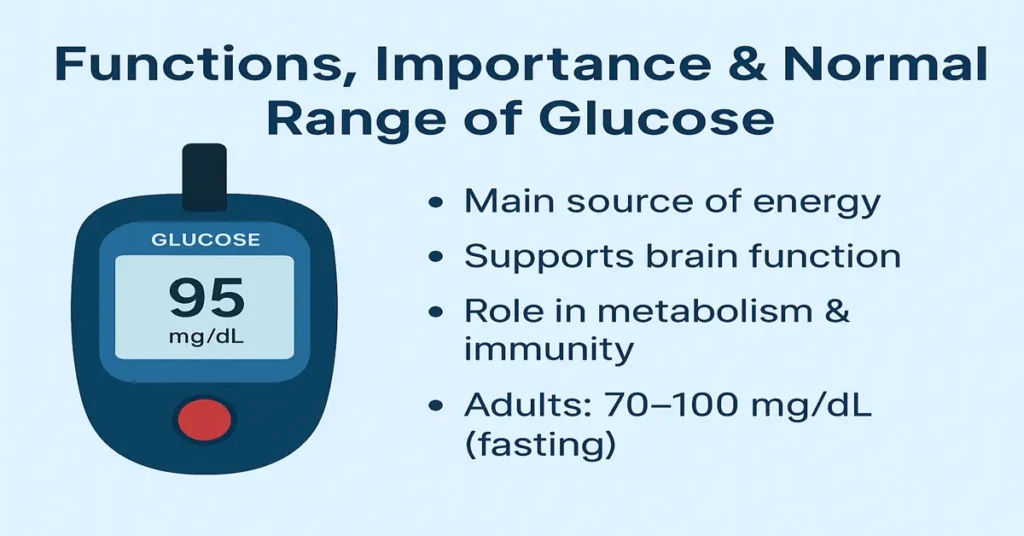
Glucose is the body’s main source of energy. It comes from the carbohydrates we eat and enters the bloodstream after digestion. From there, it is delivered to every organ and cell, especially the brain, muscles, heart, and liver. In day-to-day clinical practice, glucose is one of the most important parameters doctors look at because even small, repeated imbalances can affect how the entire body functions.
Blood glucose is not a fixed number. It naturally rises after meals, drops between meals, and changes with physical activity, stress, illness, sleep, and hormonal activity. Understanding what glucose is and how it behaves helps people make sense of their lab reports instead of worrying about single values.
What This Parameter Does
Glucose works as fuel for the body. Its role is simple but critical.
It provides energy for routine activities like walking, working, and thinking.
It supports brain function, as the brain relies almost entirely on glucose for energy.
It allows muscles to contract and relax properly.
It helps maintain body temperature and basic metabolism.
It provides quick energy during physical stress, illness, or emergencies.
It supports cell repair, growth, and recovery after injury or infection.
Two key hormones regulate glucose levels.
Insulin helps move glucose from the blood into cells, lowering blood sugar.
Glucagon releases stored glucose from the liver when blood sugar drops.
A healthy balance between these hormones keeps glucose stable and energy consistent.
Why Glucose Is Important
Clinically, glucose matters because almost every body system depends on it being within a healthy range.
The brain depends heavily on glucose. When levels fall too low, symptoms like confusion, dizziness, and fainting can appear quickly.
Persistently high glucose damages blood vessels and nerves over time, which is why diabetes affects the eyes, kidneys, heart, and feet.
Muscles need glucose for strength and endurance, especially during exercise or physical work.
Hormones such as cortisol, insulin, thyroid hormones, and adrenaline interact closely with glucose regulation.
During pregnancy, balanced glucose ensures proper nutrition and growth for the developing baby.
Doctors often correlate glucose values with symptoms, lifestyle, and other test results rather than judging them in isolation.
Role of Glucose in the Body
Glucose supports the body in several essential ways.
As an energy source, cells convert glucose into ATP, which powers all cellular activity.
Excess glucose is stored as glycogen in the liver and muscles, acting as a short-term energy reserve. Any extra beyond that is stored as fat for long-term use.
Immune cells rely on glucose to fight infections effectively, which is why sugar levels can change during illness.
Healing after surgery, injury, or infection requires energy, much of which comes from glucose.
Glucose helps regulate overall metabolism, influencing digestion, hormone balance, stamina, and temperature control.
In routine lab practice, abnormal glucose often explains symptoms that otherwise seem unrelated.
Normal Glucose Ranges
Glucose values vary with age, timing of the test, and physiological state. The ranges below are commonly used as reference points.
Age-Wise Normal Ranges
Children (0–12 years)
Fasting: 70–100 mg/dL
Post-meal: 120–160 mg/dL
Random: 90–140 mg/dL
Teenagers (13–19 years)
Fasting: 70–99 mg/dL
Post-meal: 120–170 mg/dL
Adults (20–60 years)
Fasting: 70–100 mg/dL
Post-meal: Less than 140 mg/dL
Senior adults (60+ years)
Fasting: 80–110 mg/dL
With age, glucose tolerance changes slightly, which doctors take into account.
Gender-Wise Normal Ranges
Men
Fasting: 70–100 mg/dL
Post-meal: 140 mg/dL or below
Women
Fasting: 70–95 mg/dL
Post-meal: 120–140 mg/dL
Women may show mild fluctuations related to hormonal cycles, but the clinical range remains the same.
Pregnancy Reference Ranges
Pregnancy requires tighter glucose control because maternal glucose directly affects the baby.
Fasting: 70–90 mg/dL
1-hour post-meal: Less than 140 mg/dL
2-hour post-meal: Less than 120 mg/dL
Values above this range may suggest gestational diabetes and usually require closer monitoring.
When Abnormal Glucose Levels Become Risky
Low and high glucose levels both carry risks, depending on severity and duration.
Low glucose, usually below 70 mg/dL, may cause shakiness, sweating, hunger, blurred vision, confusion, or fainting. Severe drops can lead to seizures or loss of consciousness if not corrected.
High glucose, especially persistent post-meal levels above 180 mg/dL, may cause thirst, frequent urination, fatigue, and blurred vision. Over time, consistently high levels increase the risk of diabetes-related complications involving the nerves, kidneys, eyes, heart, and brain.
Very high levels, usually above 250–300 mg/dL, can lead to serious emergencies like diabetic ketoacidosis or hyperosmolar states, which require immediate medical care.
Test Preparation Before Checking Glucose Levels
For accurate results, fasting glucose tests usually require 8–10 hours without food. Alcohol should be avoided for at least 24 hours before testing. Staying hydrated is important, as dehydration can falsely raise values. Doctors should be informed about medicines such as insulin, steroids, or other long-term drugs.
When to Consult a Doctor
Medical advice is important if fasting glucose repeatedly stays above normal, if post-meal values remain high, or if symptoms like excessive thirst, frequent urination, unexplained weight loss, shakiness, or confusion occur. During pregnancy, even mild fluctuations should be discussed with a doctor.
Important Word Explanations
Glucose is the sugar that provides energy to the body.
Hyperglycemia means high blood sugar.
Hypoglycemia means low blood sugar.
Glycogen is the stored form of glucose in the liver and muscles.
Insulin is the hormone that lowers blood sugar by moving glucose into cells.
Glucagon is the hormone that raises blood sugar by releasing stored glucose.
People Also Ask
Is glucose the same as sugar?
Glucose is a type of sugar and the main one used by the body for energy.
Can glucose levels change during the day?
Yes. They rise after meals and fall between meals or during activity.
Does one abnormal reading mean disease?
Not always. Doctors usually look at repeated values and symptoms.
When do doctors usually worry about glucose levels?
When values stay abnormal over time or symptoms start appearing.
Is repeat testing common for glucose?
Yes. Repeat tests help confirm patterns and rule out temporary changes.
Can stress affect glucose levels?
Yes. Physical or emotional stress can temporarily raise blood sugar.
~END~
Related Posts
None found