
GCT Test: Purpose, High/Low Levels, Symptoms, Normal Range & Complete Pregnancy Guide
Overview
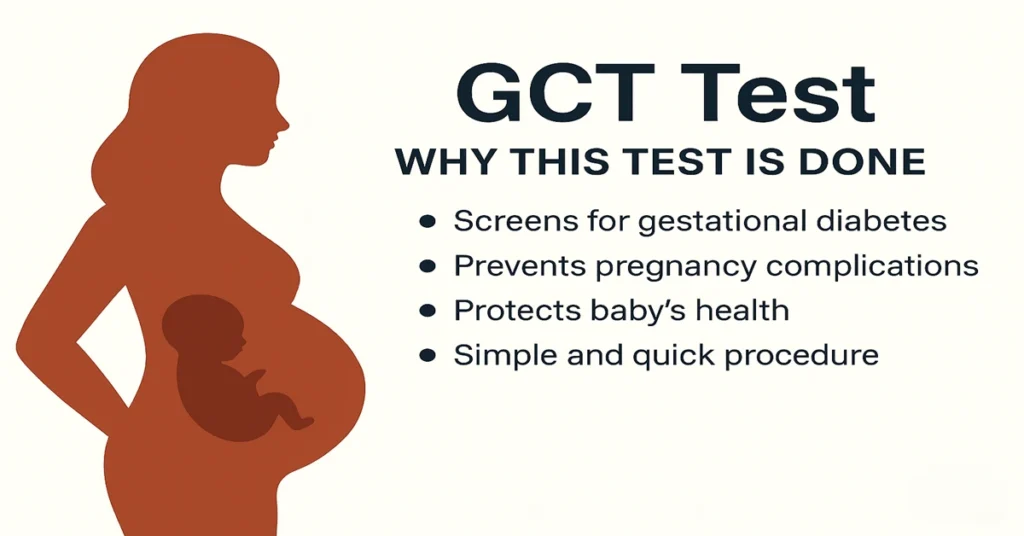
The GCT Test, also called the Glucose Challenge Test, is a screening blood test performed during pregnancy to assess how the body handles glucose (sugar). Its primary purpose is to screen for gestational diabetes, a temporary condition that can develop during pregnancy when the body becomes less responsive to insulin.
Gestational diabetes often develops silently, with little or no obvious symptoms. Because uncontrolled blood sugar levels can affect both maternal health and fetal growth, routine screening with the GCT is an important part of prenatal care. The test is simple, does not require fasting, and is usually done between 24 and 28 weeks of pregnancy. Women with certain risk factors—such as obesity, polycystic ovary syndrome (PCOS), previous gestational diabetes, or a strong family history of diabetes—may be screened earlier.
Where Is Glucose Controlled in the Body During the Test?
The GCT evaluates how the body processes glucose after a standardized sugar intake. Several organs work together during this process.
1. Intestines
After drinking the glucose solution, glucose is absorbed from the small intestine into the bloodstream.
2. Pancreas
The pancreas responds by releasing insulin, the hormone that helps move glucose from the blood into body cells. During pregnancy, hormones produced by the placenta can reduce insulin sensitivity, which is why glucose screening becomes important.
3. Body Cells
Muscle and other tissues take up glucose and use it for energy. When insulin action is effective, blood sugar levels remain within the expected range. When insulin action is reduced, blood glucose levels rise, signaling possible gestational diabetes.
Main Functions and Importance of the GCT Test
1. Screens for Gestational Diabetes
The GCT provides an initial assessment of how efficiently the body processes glucose. An abnormal result signals the need for further evaluation with a confirmatory test.
2. Helps Reduce Pregnancy-Related Complications
Elevated blood sugar during pregnancy is associated with increased risks such as high blood pressure, preeclampsia, larger-than-average babies, difficult labor, and higher chances of operative delivery. Early detection allows closer monitoring and timely management.
3. Supports Baby’s Health
When gestational diabetes is unrecognized, babies may be born with low blood sugar, breathing difficulties, or higher birth weight. Long-term metabolic risks may also increase. Screening helps reduce these risks by identifying problems early.
4. Simple and Convenient Screening
Unlike the oral glucose tolerance test (OGTT), the GCT does not require fasting, making it easier for most pregnant women to complete as part of routine care.
Causes of Low / Normal / Negative GCT Results
A normal or negative GCT result indicates that the body has handled the glucose load appropriately. This typically reflects effective insulin release, normal glucose absorption, and adequate uptake of glucose by body tissues. In such cases, there is no immediate concern for gestational diabetes.
Symptoms of Low / Normal Levels
Normal GCT results do not cause symptoms. They simply indicate that glucose regulation at the time of testing is within the expected range for pregnancy.
Causes of High / Positive GCT Levels
Elevated glucose values after the test suggest reduced efficiency in glucose handling.
1. Pregnancy-Related Insulin Resistance
Hormonal changes in pregnancy naturally reduce insulin sensitivity, particularly in later trimesters.
2. Reduced Insulin Response
Some women are unable to produce enough insulin to compensate for this resistance.
3. Gestational Diabetes
A raised GCT result commonly reflects gestational diabetes and warrants confirmatory testing.
4. Previously Unrecognized Diabetes
In some cases, elevated results may indicate glucose intolerance or diabetes that existed before pregnancy.
Symptoms of High / Positive Levels
Most women with elevated GCT values do not experience noticeable symptoms, which is why routine screening is essential. When present, symptoms may include increased thirst, frequent urination, fatigue, blurred vision, or recurrent infections. These symptoms can overlap with normal pregnancy changes, so testing is necessary for clarification.
Reference Ranges
After consuming a 50 g glucose solution, blood sugar is measured exactly 1 hour later. Typical interpretation is as follows (ranges may vary slightly by laboratory):
- < 140 mg/dL: Normal
- 140–199 mg/dL: Borderline; further testing with OGTT is recommended
- ≥ 200 mg/dL: High; strongly suggestive of gestational diabetes
Borderline or high results are usually followed by a diagnostic OGTT.
Sample Type
The test requires a venous blood sample, collected exactly one hour after drinking the glucose solution. Fasting is not required for this screening test.
Test Preparation
The GCT is a non-fasting test, and most women can continue their usual routine.
Preparation typically includes eating a normal meal unless instructed otherwise, avoiding unusually sugary foods just before the test, and informing the doctor about any medications being taken. After drinking the glucose solution, it is advised to sit calmly during the waiting period, as physical activity can influence results.
When to Consult a Doctor
Medical advice should be sought if symptoms suggestive of high blood sugar appear, such as persistent thirst, frequent urination, unexplained fatigue, or visual changes. Women with known risk factors—such as previous gestational diabetes, PCOS, obesity, or a family history of diabetes—should discuss appropriate screening timing with their doctor.
If the GCT result is borderline or high, follow-up testing is usually recommended to confirm the diagnosis. Urgent consultation is needed for concerning pregnancy symptoms such as reduced fetal movements, severe headaches, unusual swelling, or signs suggestive of preeclampsia.
Important Word Explanations
- Insulin Resistance: Reduced responsiveness of body cells to insulin
- Glucose: The main sugar used by the body for energy
- Insulin: A hormone that helps control blood sugar levels
- Gestational Diabetes: Temporary glucose intolerance occurring during pregnancy
- OGTT: Oral Glucose Tolerance Test used to confirm abnormal screening results
~END~
Related Posts
None found