
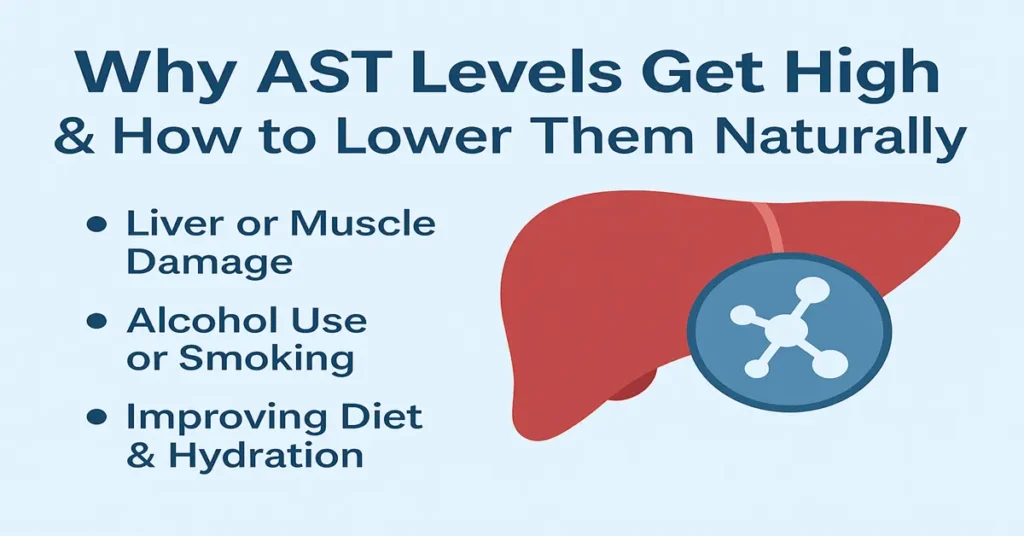
Causes of High AST Levels & How to Reduce Them Naturally
Short Overview
AST (Aspartate Aminotransferase) is an enzyme found mainly in the liver, heart, and muscles. Under normal conditions, only small amounts circulate in the blood. When these tissues are irritated, inflamed, or injured, AST leaks into the bloodstream and the level rises.
A high AST value is not a disease on its own. In routine lab and OPD practice, it is treated as a signal—something in the liver, muscles, or occasionally the heart is under stress. Understanding why AST is elevated helps doctors and patients respond appropriately and, where suitable, support recovery with safe, natural measures.
Medical Causes of High AST Levels
AST can rise for many reasons. Some are short-lived and harmless, while others need closer attention.
Liver inflammation (hepatitis)
One of the most common reasons for elevated AST is liver inflammation. Viral hepatitis, autoimmune liver disease, medication-related irritation, or alcohol-related injury can all inflame liver cells. When this happens, AST escapes into the blood. Clinically, the degree and trend of rise help doctors judge how active the inflammation is.
Fatty liver disease
Fatty liver is extremely common today and may be related to alcohol or metabolic factors. Both non-alcoholic and alcohol-related fatty liver usually cause mild to moderate AST elevation, often alongside ALT.
Alcohol intake
Alcohol has a characteristic effect on AST. In alcohol-related liver stress, AST often rises more than ALT, creating a typical pattern doctors recognize in practice. Even moderate intake can keep AST elevated in susceptible individuals.
Muscle injury or strain
AST is present in skeletal muscles. Heavy workouts, intense physical activity, muscle cramps, sports injuries, or inflammatory muscle conditions can all raise AST. In these cases, AST often rises together with creatine kinase (CK), helping distinguish muscle causes from liver causes.
Liver cirrhosis
In advanced liver disease, ongoing cell damage can keep AST persistently elevated. The pattern and level are interpreted along with other liver markers.
Bile duct obstruction
Blockage in bile flow—due to gallstones, strictures, infections, or tumors—can irritate liver cells and raise AST. Other liver tests usually change alongside it.
Viral and bacterial infections
Certain infections such as dengue, typhoid, malaria, sepsis, and even COVID-19 can temporarily raise AST. This often reflects combined liver and muscle stress during illness.
Medication effects
Many commonly used medicines can increase AST. Statins, painkillers, anti-tuberculosis drugs, antibiotics, anti-seizure medicines, and some herbal supplements are frequent contributors. In practice, levels often improve after dose adjustment or stopping the offending drug under medical supervision.
Heart-related conditions
AST can rise in heart muscle injury or inflammation. While it is no longer a primary heart marker, it may still increase in significant cardiac stress.
Dehydration and AST
Dehydration is an often overlooked factor. Reduced fluid intake can thicken the blood, stress liver cells, and increase muscle strain due to electrolyte imbalance. In hot climates or after heavy exercise, a mild AST rise may simply reflect dehydration and muscle stress.
Chronic Conditions That Keep AST High
Some long-term conditions are associated with persistently raised AST.
Poorly controlled diabetes can promote fat accumulation and inflammation in the liver.
Obesity increases liver stress and commonly raises AST and ALT together.
Thyroid disorders, especially hypothyroidism, can slow metabolism and affect liver enzymes.
Severe kidney disease may disturb enzyme balance.
Autoimmune conditions may involve liver or muscle tissue directly.
Smoking and AST Levels
Smoking does not raise AST directly, but it increases oxidative stress, reduces oxygen delivery, and affects liver metabolism. In regular smokers, mild AST elevation is commonly seen even without obvious liver disease.
Symptoms of High AST Levels
AST itself does not cause symptoms. Any complaints come from the underlying problem.
Commonly reported symptoms include fatigue, weakness, nausea, right-sided abdominal discomfort, muscle pain or cramps, loss of appetite, and, in liver-related cases, yellowing of the eyes or skin, dark urine, or pale stools. Worsening symptoms often parallel rising enzyme levels.
How to Reduce High AST Levels Naturally
AST improves when the underlying cause improves. Natural measures are supportive and work best alongside proper medical evaluation.
Adequate hydration
Good hydration supports blood flow, reduces muscle stress, and helps normal liver metabolism. Many mild elevations improve once fluid balance is corrected.
Avoiding alcohol
If alcohol contributes, even small amounts can keep AST high. In practice, abstinence often leads to clear improvement within weeks.
Liver-friendly eating patterns
Simple, home-style meals that reduce fat load help the liver recover. Diets rich in vegetables, fruits, and natural antioxidants support cellular repair.
Limiting fatty and processed foods
Reducing fried, sugary, and heavily processed foods is particularly helpful in fatty liver–related AST elevation.
Moderate physical activity
Gentle, regular exercise supports liver and muscle health. Extremely intense workouts are best avoided until AST normalizes.
Managing chronic conditions
Better control of blood sugar or thyroid imbalance reduces ongoing liver stress.
Avoiding unnecessary supplements
Many gym or herbal products strain the liver. Clinically, stopping non-essential supplements often improves AST.
Medication review
If a drug is contributing, doctors may adjust or substitute it. Medications should never be stopped without advice.
When High AST Levels Become Dangerous
Doctors become concerned based on degree, duration, and associated findings.
AST more than two to three times the upper limit suggests active injury.
Persistent elevation over one to two months points toward ongoing disease.
Very high levels, often above 300–500 U/L, may indicate acute hepatitis, severe muscle breakdown, toxic liver injury, or alcohol-related hepatitis.
High AST with severe symptoms such as persistent vomiting, jaundice, severe abdominal pain, very dark urine, or extreme weakness needs urgent evaluation.
Any AST rise during pregnancy requires prompt assessment.
Test Preparation
AST testing usually does not require fasting. Alcohol should be avoided for 48 hours before testing. Heavy workouts should be skipped the day before. Light meals, good hydration, and informing the doctor about all medications and supplements help ensure accurate results.
When to Consult a Doctor
Medical advice is important if AST remains high on repeat tests, if jaundice or persistent abdominal discomfort appears, if urine darkens or stools become pale, if unexplained fatigue persists, or if you have risk factors such as regular alcohol intake, diabetes, obesity, or recent infection. Early evaluation helps prevent long-term damage.
Important Word Explanations
AST: Enzyme released when liver or muscle cells are injured
ALT: A liver-specific enzyme often interpreted alongside AST
Rhabdomyolysis: Severe muscle breakdown
Hepatitis: Inflammation of the liver
Steatosis: Fat accumulation in the liver
Oxidative stress: Cell damage from toxins or smoking
Cholestasis: Slowed or blocked bile flow
People Also Ask
Is a high AST result always serious?
No. Mild or temporary rises are common and often settle once the cause resolves.
Can AST increase temporarily?
Yes. Exercise, dehydration, infections, or short-term medication effects can cause temporary elevation.
Does high AST always mean liver disease?
No. Muscle injury and other tissue stress can also raise AST.
When do doctors usually worry about AST?
When levels stay high, rise rapidly, or are accompanied by symptoms and other abnormal tests.
Is repeat AST testing common?
Yes. Repeat testing helps confirm trends and monitor recovery.
Can AST return to normal naturally?
In many cases, yes—especially when the underlying cause is mild or temporary.
~END~