General

General Tests — a concise, easy-to-understand guide to routine lab investigations (CBC, urine analysis, lipid profile etc.) with purpose, sample info and reference ranges.

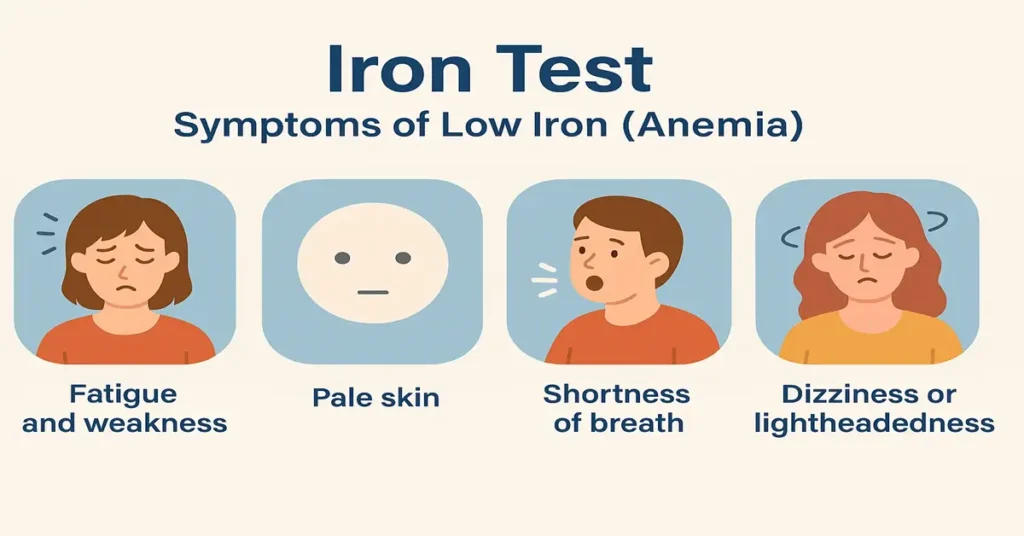
Iron Test – Normal Range, Functions, Symptoms, and Causes of Low or High Iron

The Iron Test measures the amount of iron in your blood. It helps diagnose iron deficiency anemia or iron overload conditions like hemochromatosis. Learn about normal ranges, symptoms, and the importance of maintaining balanced iron levels for healthy red blood cell function.

Iron Test – Normal Range, Functions, Symptoms, and Causes of Low or High Iron Read More »

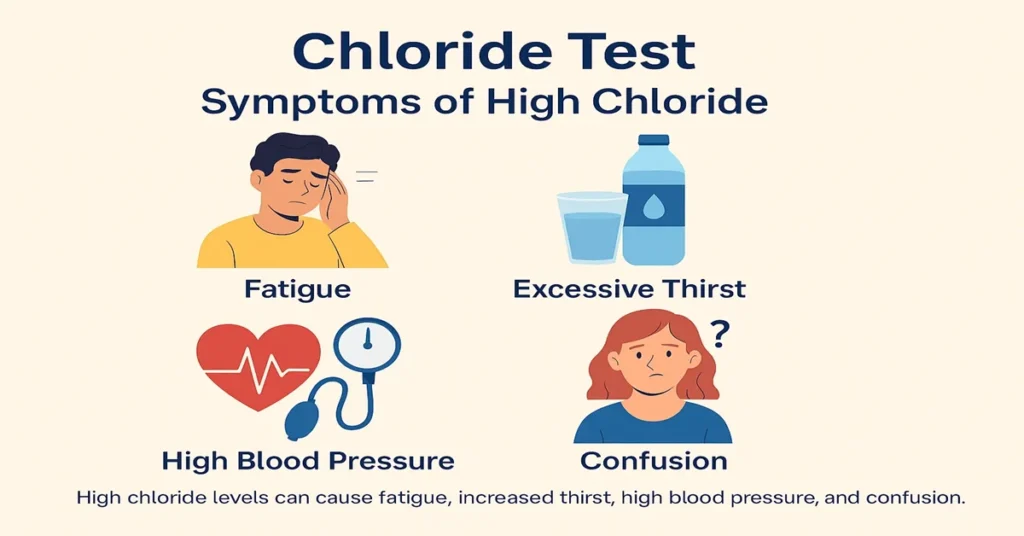
Chloride test infographic showing symptoms of high chloride—fatigue, excessive thirst, high blood pressure, and confusion—with realistic medical icons.

Chloride (Cl⁻) Blood Test – Normal Range, Functions, and Health Importance

The Chloride (Cl⁻) blood test checks the chloride level in your blood, an essential electrolyte for maintaining fluid, acid-base, and nerve balance. This article explains normal ranges, functions, and the causes and symptoms of high and low chloride levels.

Chloride (Cl⁻) Blood Test – Normal Range, Functions, and Health Importance Read More »

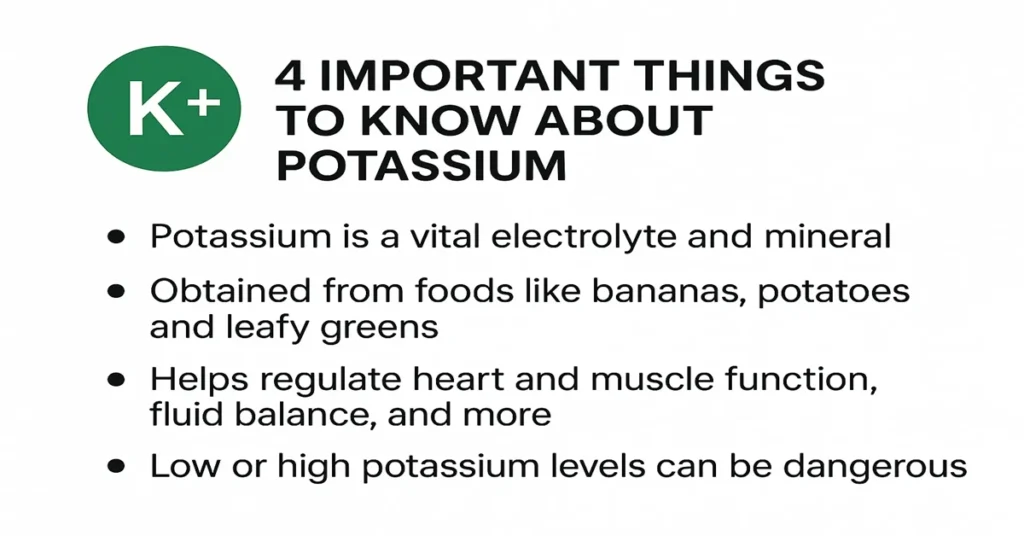
4 important things to know about potassium – key functions, food sources, and dangers of imbalance (K⁺ blood test infographic)

Potassium (K⁺) Blood Test – Normal Range, Functions, and Imbalance Causes

The Potassium (K⁺) test checks the level of potassium in your blood, a vital electrolyte for heart, muscle, and nerve function. This article explains the test’s purpose, normal range, causes and symptoms of low or high potassium, and when medical attention is necessary.

Potassium (K⁺) Blood Test – Normal Range, Functions, and Imbalance Causes Read More »