
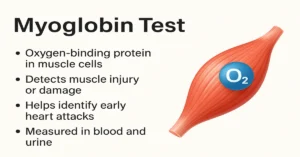
Myoglobin Test: Function, High/Low Levels, Symptoms & Complete Guide
Understand myoglobin, its function, causes of high/low levels, symptoms, and complete test guide for diagnosing muscle injury and early heart...
Read More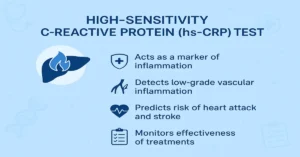
hs-CRP Test – Meaning, Normal Range, High Levels & Heart Risk
The hs-CRP test detects low-grade inflammation and helps predict the risk of heart attack, stroke, and vascular disease. Learn causes,...
Read More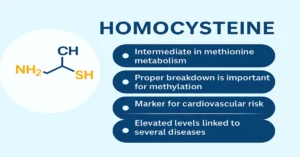
Homocysteine Test – High vs Low Levels, Causes, Symptoms & Ranges
The homocysteine test measures an amino acid linked to heart disease, vitamin B deficiencies, stroke risk, and metabolic disorders. Learn...
Read More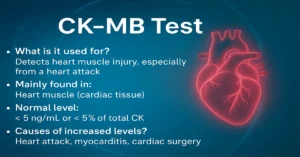
CK-MB Test (Creatine Kinase MB) – Purpose, High Levels, and Heart Attack Marker Explained
Learn about the CK-MB (Creatine Kinase MB) Test — its purpose, normal range, high levels after a heart attack, and...
Read More