
Albumin Test: Meaning, Normal Range, High & Low Levels, Causes, Symptoms, and Complete Medical Guide
Introduction
Proteins are essential for the body’s everyday functioning, and among them, albumin holds a central place. It is the most abundant protein in blood plasma and makes up a major portion of total circulating protein. Because albumin is closely involved in fluid balance, transport of substances, and overall metabolic stability, its measurement is a routine part of many blood investigations.
The Albumin Test is commonly used to assess liver function, kidney health, nutritional status, and the body’s ability to maintain normal protein balance. Changes in albumin levels often reflect broader health processes rather than a single isolated problem, which is why this test is frequently interpreted alongside other laboratory findings.
What Is Albumin?
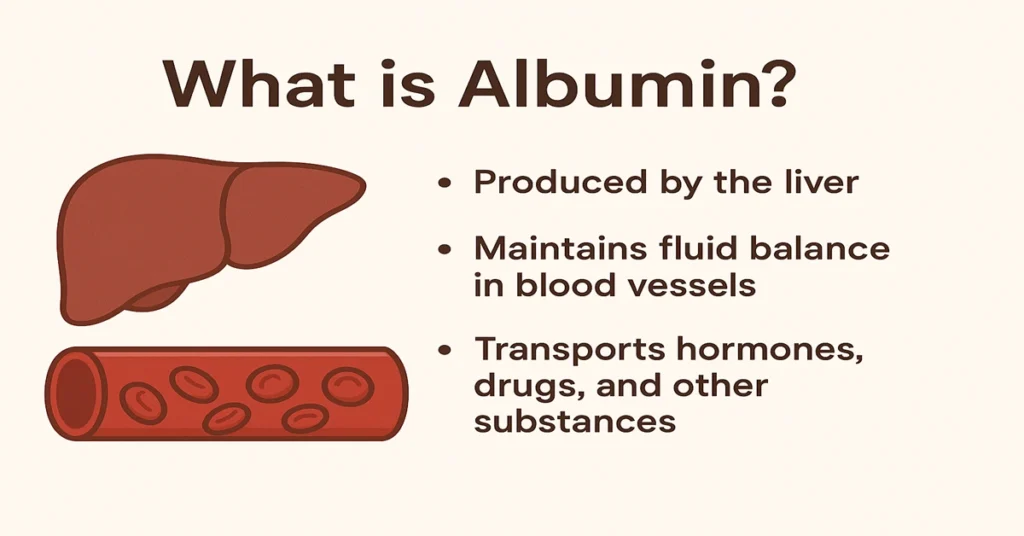
Albumin is a water-soluble protein that circulates continuously in the bloodstream. It plays a stabilizing role by helping keep fluid within blood vessels and by transporting various substances needed by the body.
The Albumin Test measures the concentration of albumin in blood and helps clinicians understand whether the liver is producing adequate amounts, whether the kidneys are retaining it properly, and whether overall protein balance is being maintained. Because albumin responds slowly to change, it often reflects long-standing or chronic processes rather than sudden, short-term events.
Where Is Albumin Produced in the Body?
Albumin is produced almost entirely in the liver by specialized cells called hepatocytes. Once synthesized, it is released into the bloodstream, where it circulates for several weeks before being broken down and replaced.
Since albumin production depends on healthy liver tissue, persistently low levels may suggest reduced synthetic capacity of the liver. For this reason, albumin is often viewed as a marker of liver reserve rather than acute liver injury.
Functions and Importance of Albumin
Albumin performs several critical roles that support normal circulation and metabolism. Even modest changes in its level can influence multiple systems.
Maintains Fluid Balance
Albumin helps prevent fluid from leaking out of blood vessels into surrounding tissues. When albumin levels fall, fluid may shift into the tissues, leading to visible swelling, particularly in dependent areas.
Transports Essential Substances
Albumin acts as a carrier for many substances in the blood, including hormones, minerals, medications, fatty acids, bilirubin, and certain vitamins. This transport function ensures these substances reach their target tissues efficiently.
Acts as a Protein Reserve
During illness, injury, or prolonged stress, albumin can serve as a reserve source of amino acids. This role becomes especially important in chronic disease states.
Supports Circulation and pH Balance
Albumin contributes to oncotic pressure, which helps maintain effective blood circulation. It also plays a role in buffering the blood, supporting normal acid–base balance.
Because of these combined functions, albumin is a valuable indicator of nutritional status, organ function, and long-term metabolic health.
Causes of Low Albumin (Hypoalbuminemia)
Low albumin levels are relatively common and usually reflect an underlying condition rather than a primary albumin disorder.
Liver-related conditions can reduce albumin synthesis over time. Kidney disorders may allow albumin to leak into urine, lowering blood levels. Long-standing poor nutritional intake, chronic inflammation, or severe systemic illness can also shift protein balance away from albumin production.
Digestive disorders that interfere with absorption, as well as significant injuries such as burns or major blood loss, may further contribute to reduced levels. In many cases, more than one factor is involved.
Symptoms of Low Albumin
Symptoms associated with low albumin depend on both the level and the underlying cause. Common clinical features include swelling of the legs, ankles, face, or abdomen, along with fatigue and reduced physical strength. Poor wound healing, reduced appetite, and increased susceptibility to infections may also be seen. These symptoms usually reflect the broader health condition rather than albumin deficiency alone.
Causes of High Albumin (Hyperalbuminemia)
True elevation of albumin is uncommon. When high values are reported, they most often reflect reduced plasma water content rather than increased albumin production.
Dehydration is the most frequent reason for elevated albumin levels. Certain medications and prolonged fluid loss can also contribute. In most cases, high albumin does not indicate a disease process on its own.
Symptoms of High Albumin
Elevated albumin does not cause direct symptoms. Any symptoms present are related to the underlying reason for reduced body fluid volume, such as dryness, dizziness, or reduced urine output. Once fluid balance is restored, albumin levels typically normalize.
Reference Range (Normal Values)
The commonly used adult reference range for albumin is:
3.4 – 5.4 g/dL
Reference ranges may vary slightly between laboratories. Albumin is often interpreted together with total protein, the albumin-to-globulin ratio, and liver function tests to provide better clinical context.
Sample Type and Collection
Sample Type: Serum
Tube Used: Red-top (plain) tube
A venous blood sample is collected, allowed to clot, and the serum is analyzed. The procedure is routine and carries minimal risk.
Test Preparation
Albumin testing usually requires no special preparation. Normal eating and drinking are generally allowed. It is helpful to inform the doctor about ongoing medications, as some drugs can temporarily influence albumin levels. If the test is part of a broader panel, specific instructions may be provided.
When to Consult a Doctor
Medical review is advised if albumin levels remain abnormal on repeat testing or if they are accompanied by symptoms such as persistent swelling, unexplained fatigue, reduced appetite, signs of liver disease, or urinary changes. Albumin results are most meaningful when assessed alongside other laboratory findings and clinical signs.
Important Word Explanations
- Albumin: The main protein in blood plasma, produced by the liver, essential for fluid balance and transport.
- Hypoalbuminemia: Lower-than-normal albumin levels in the blood.
- Hyperalbuminemia: Higher-than-normal albumin levels, usually related to dehydration.
- Oncotic Pressure: Pressure created by proteins like albumin that keeps fluid inside blood vessels.
- Ascites: Accumulation of fluid in the abdomen, often linked to chronic liver disease.
~END~